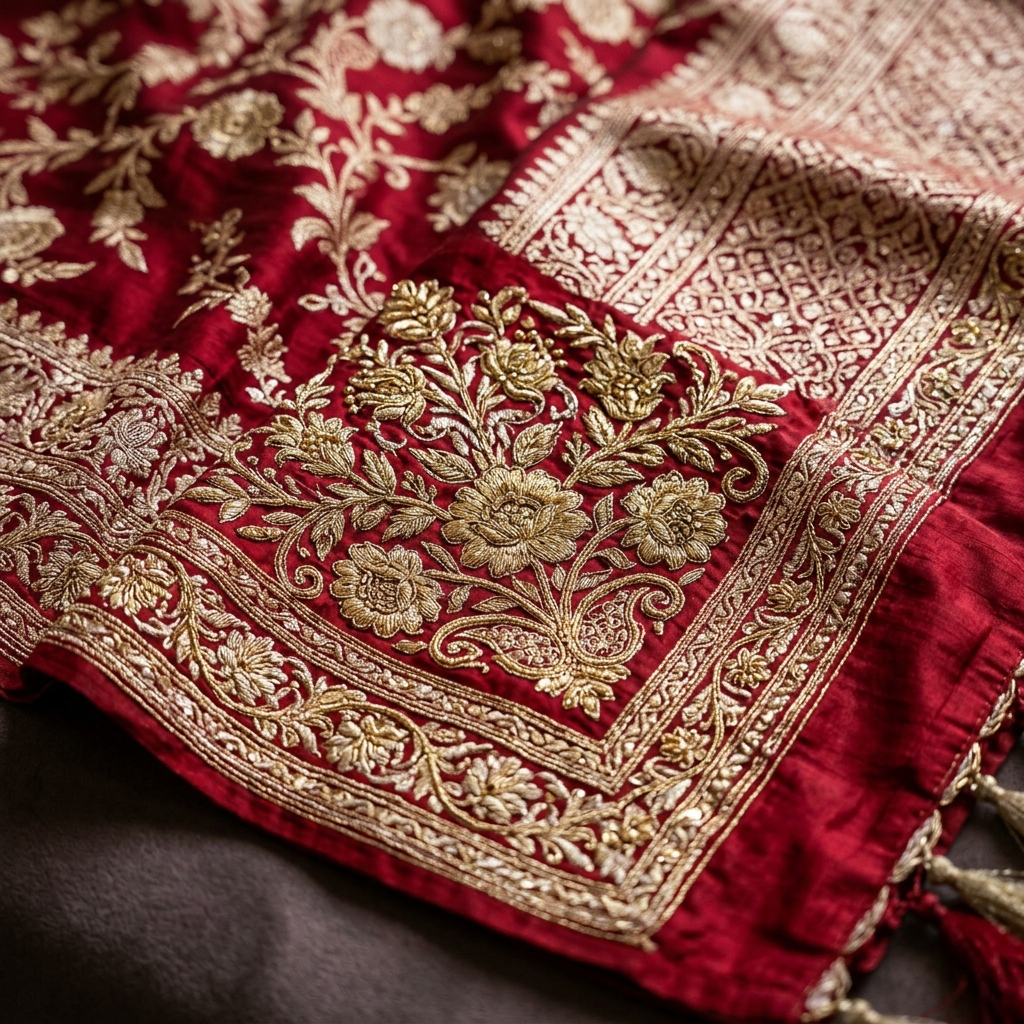
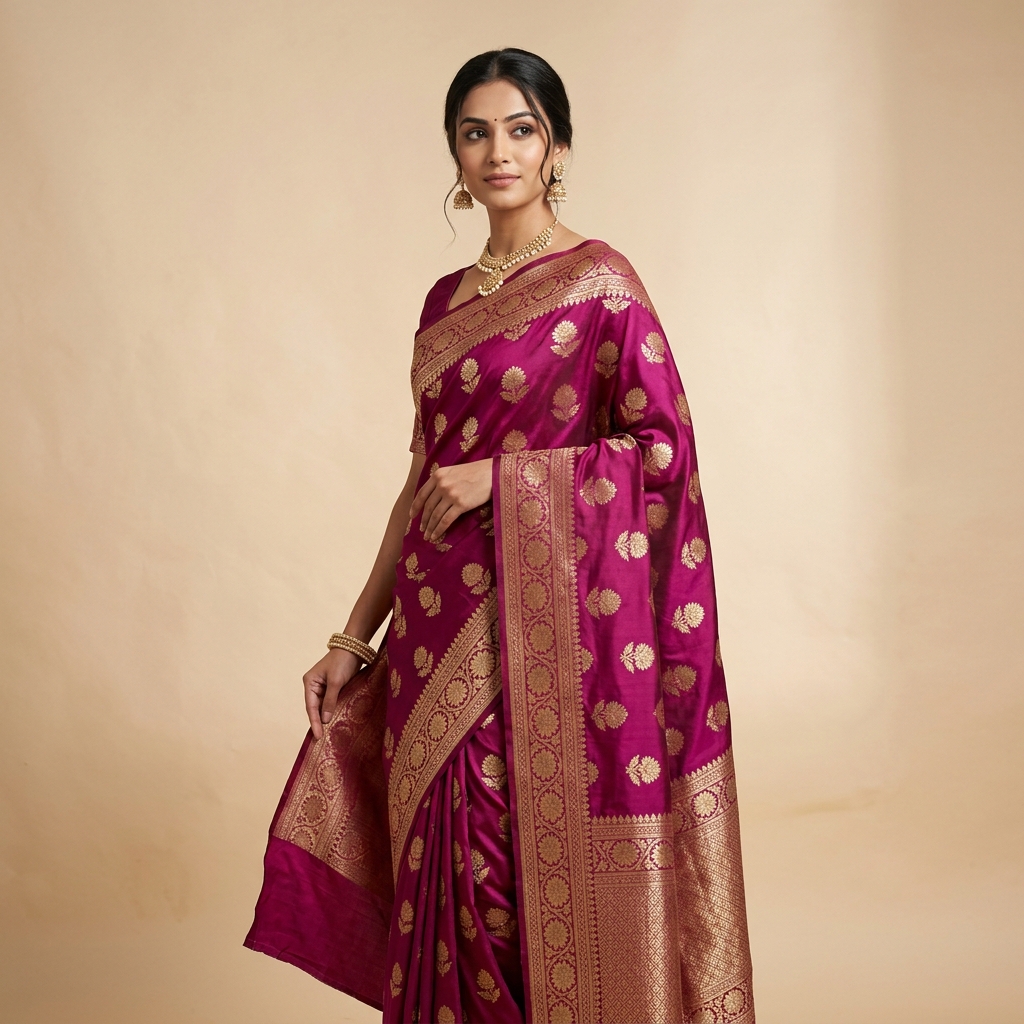
How to Start Saree Business: Complete Guide for Resellers and Wholesalers
A practical guide for starting a saree business with the right supplier, fabrics, and pricing strategy.
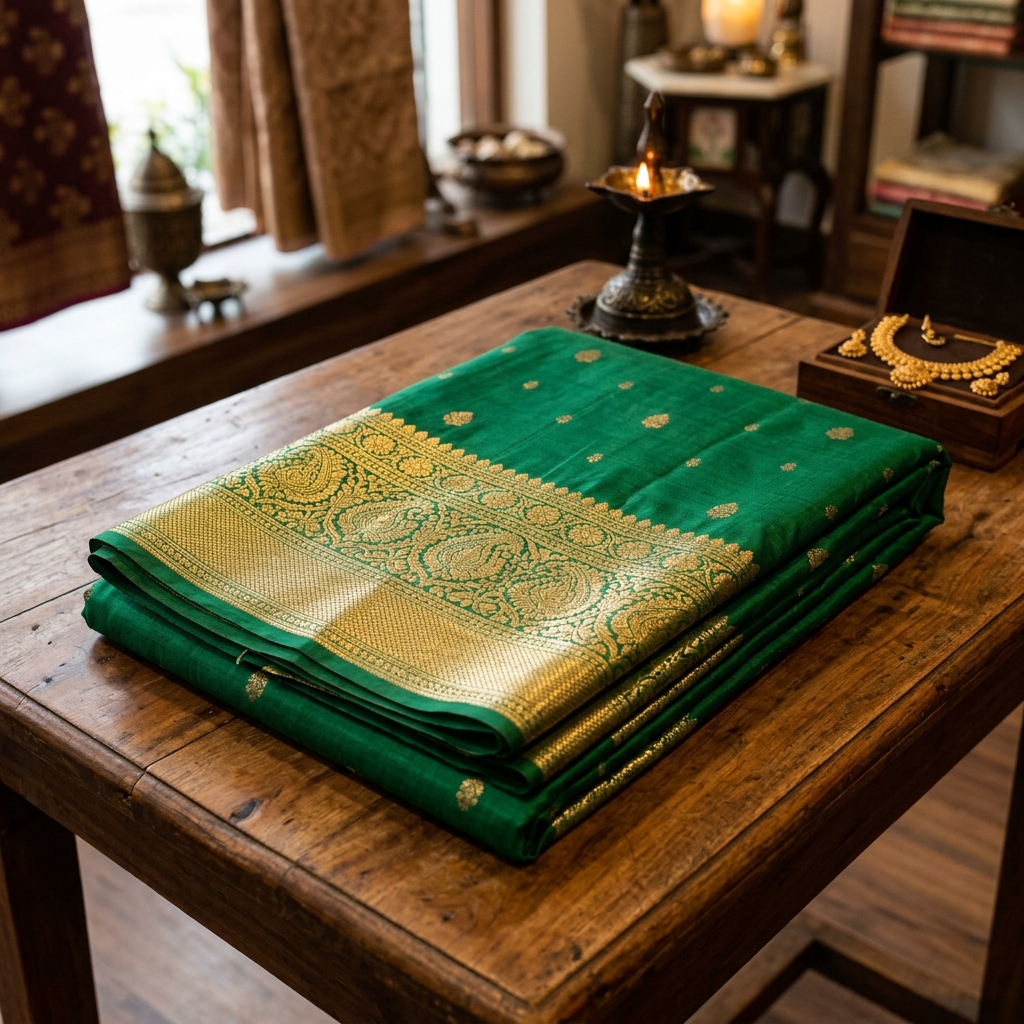

A practical guide for starting a saree business with the right supplier, fabrics, and pricing strategy.
Before buying stock, decide whether you want to sell to daily-wear customers, wedding buyers, boutique clients, marketplace shoppers, or wholesale retailers. Your customer segment decides the fabric, price range, colors, packaging, and catalog style.
A direct manufacturer helps you with better pricing, stable quality, repeat designs, bulk packaging, and faster catalog support. For B2B growth, look for supplier support in MOQ, dispatch timeline, color variants, and white label packaging.
For new resellers, the right supplier is more important than buying too many designs on day one.
Start with fast-moving categories such as Lichi sarees, Banarasi sarees, premium silk sarees, and South Indian border sarees. Keep a balanced selection of festive colors, daily-wear shades, and premium options.
Your pricing should include product cost, packaging, shipping, marketplace commission, return risk, and profit margin. Wholesale buyers should also plan volume discounts and repeat-order pricing.
Meesho, Amazon, Flipkart, Instagram, WhatsApp groups, boutiques, and local retailers can all work for saree selling. The strongest businesses test multiple channels and track which styles move fastest.
Talk to BTG for wholesale saree catalogs, MOQ, ready stock, packaging options, and product images for your business.